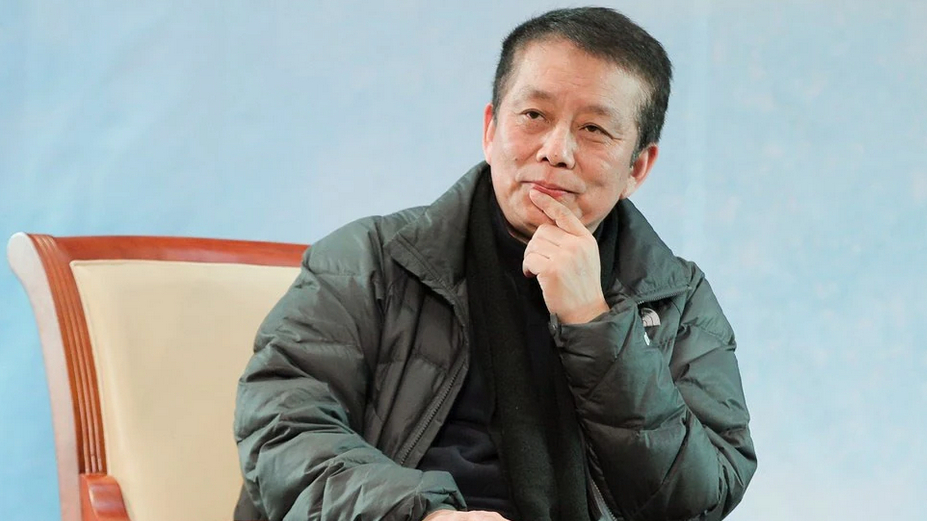
Huang Jianxin
黄建新
- 分类: 艺术瑰宝
- ID: 1866669356837842945
Home CategoryArtsHuang JianxinPlay5 minsHuang Jianxin, born in 1954 in Xi’an, China, initially studied electrical engineering before graduating from the Beijing Film Academy in 1982. His filmmaking career began amid China's transformative period, influencing his thematic and stylistic cinematic choices.ShareRelated Videos**New film to feature color footage of founding of People's Republic of China 00:02:13Catalogue1. Early Life and Career Beginnings2. Prominent Filmmaker in Chinese Cinema3. Contribution to Historical and Revolutionary Films4. Involvement in the Film 19215. Impact on Chinese Cinema6. Challenges and Innovations7. Collaboration and Influence8. Future Endeavors
Early Life and Career Beginnings
Initially pursuing studies in electrical engineering, he eventually shifted his focus to the arts and later graduated from the Beijing Film Academy in 1982, a pivotal institution in the development of China's film industry. Huang’s career in filmmaking began during a time of significant transformation and reformation within China, which would later influence his thematic and stylistic choices in cinema.
Prominent Filmmaker in Chinese Cinema
Huang Jianxin is a distinguished filmmaker known for his significant contributions to Chinese cinema, particularly during the 1980s and 1990s. His directorial works are notable for their critical social commentary and innovative narrative styles. Huang's films often explore the complexities of Chinese society, focusing on urbanization, modernization, and the individual’s place within a rapidly changing nation. His early works, such as The Black Cannon Incident (1985) and Dislocation (1986), are celebrated for their satirical approach to bureaucracy and social norms in contemporary China.
Contribution to Historical and Revolutionary Films
Huang Jianxin has been instrumental in producing and directing films that delve into China's revolutionary history. He co-directed Beginning of the Great Revival (2011) with Han Sanping, a significant film marking the 90th anniversary of the Chinese Communist Party. Known for his meticulous attention to historical detail, Huang's work in films like The Founding of a Republic (2009) and The Founding of an Army (2017) showcases his ability to blend historical narratives with cinematic innovation. These films often feature star-studded casts and have played a crucial role in shaping the genre of historical epics in China.
Involvement in the Film 1921
Huang's role in the film 1921 as an executive producer and director further underscores his commitment to exploring significant historical events through cinema. The film commemorates the centenary of the Communist Party of China, retracing the events surrounding the Party's founding. 1921 is notable for its use of a large ensemble cast, including Huang Xuan, Ni Ni, and Liu Haoran, and its innovative storytelling that incorporates suspense and drama, aimed at engaging a younger audience. Huang's approach in 1921 highlights the revolutionary leaders' dedication and sacrifice, as well as the international influences that played a role in the Party's formation.
Impact on Chinese Cinema
Throughout his career, Huang Jianxin has made substantial contributions to the evolution of Chinese cinema, both as a director and a producer. His works have been crucial in promoting Chinese films on the international stage, often participating in prominent film festivals. Huang’s ability to navigate between different genres, from satirical social commentaries to grand historical epics, demonstrates his versatility and depth as a filmmaker. His dedication to capturing the spirit and complexities of Chinese society continues to influence and inspire new generations of filmmakers in China.
Challenges and Innovations
Huang Jianxin's career spans a period of significant change in the Chinese film industry. He has witnessed and adapted to various technological advancements and shifts in audience preferences. His ability to incorporate new storytelling techniques and visual effects into historical narratives has helped redefine the genre of revolutionary films in China. Huang's emphasis on historical accuracy, combined with engaging narratives, has set a standard for future filmmakers tackling similar themes.
Collaboration and Influence
Huang Jianxin's collaborative projects with other renowned directors and actors have further elevated his status within the industry. His partnership with directors like Chen Kaige and Tsui Hark on films such as The Battle at Lake Changjin demonstrates his ability to work effectively within large-scale productions. Huang’s influence extends beyond his directorial work; he has played a mentorship role for emerging filmmakers and has actively participated in various film forums and festivals, contributing to discussions on the future of Chinese cinema.
Future Endeavors
As an established filmmaker, Huang Jianxin continues to explore new themes and narratives, remaining an active participant in China's evolving cinematic landscape. His upcoming projects and continued engagement with international collaborations highlight his ongoing contribution to the global film community. Huang's work serves as a bridge between traditional and contemporary Chinese cinema, paving the way for future storytellers to explore China's past and present through the powerful medium of film. Article reference1. Plotline gives movies a script for global success. chinadaily.com.cn. 20232. New film to feature color footage of founding of People's Republic of China. chinadaily.com.cn. 2019Photo Gallery(12 pictures)CategoriesArtsTagArtistsFilm and TVCatalogue1. Early Life and Career Beginnings2. Prominent Filmmaker in Chinese Cinema3. Contribution to Historical and Revolutionary Films4. Involvement in the Film 19215. Impact on Chinese Cinema6. Challenges and Innovations7. Collaboration and Influence8. Future Endeavors- - - []








